
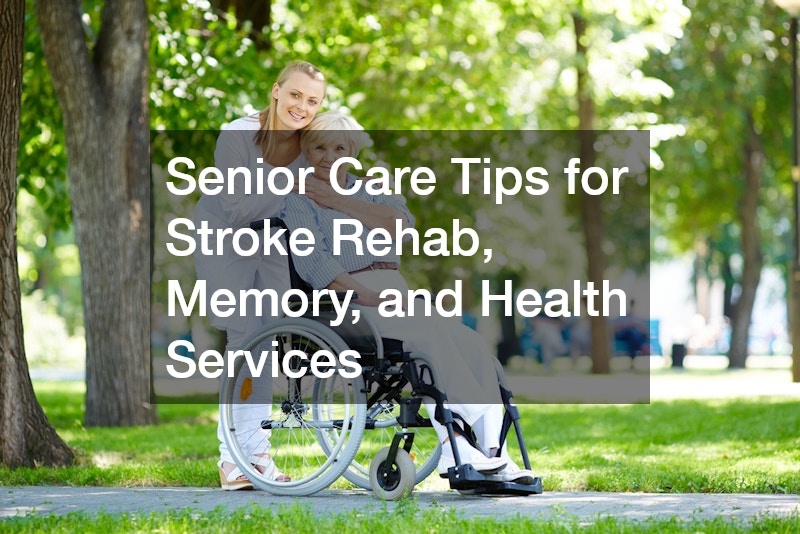
Caring for seniors requires a holistic approach that addresses physical, cognitive, and emotional health. From recovery after a major health event to maintaining overall wellness, understanding how to navigate available resources and strategies is crucial. This guide explores practical, actionable tips that families and caregivers can implement to enhance the quality of life for seniors.
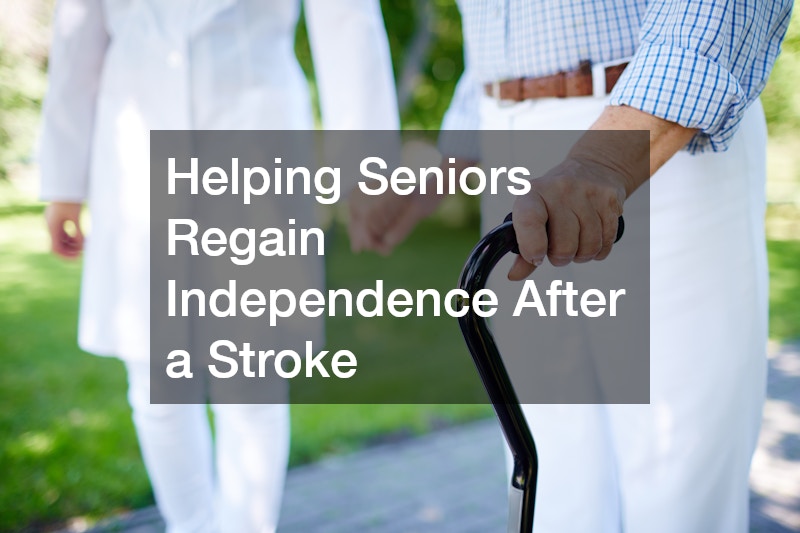
Helping Seniors Regain Independence After a Stroke
Recovery after a stroke can be challenging, but a structured program can significantly improve outcomes. Encourage consistent daily exercises tailored to improve mobility, strength, and coordination. Incorporating occupational therapy into daily routines helps seniors regain the ability to perform everyday tasks, such as dressing or preparing meals. Caregivers should monitor progress closely, adjusting exercises based on improvements and setbacks. A collaborative approach with physical therapists ensures the right intensity without overexertion. Utilizing stroke rehabilitation programs can accelerate recovery by combining therapy, lifestyle adjustments, and cognitive exercises.
Choosing the Right Living Environment for Comprehensive Care
Selecting an appropriate living environment is critical for seniors who require ongoing supervision and support. Consider the balance between independence and assistance, ensuring safety while promoting autonomy. Evaluate staffing ratios, availability of medical professionals, and the community’s activity offerings. It is also important to verify that staff are trained to handle emergencies or chronic conditions. Many families find that assisted living services provide the perfect combination of personal care, social engagement, and medical oversight.
Supporting Cognitive Health Through Structured Programs
Maintaining cognitive health in seniors requires stimulating and engaging routines. Activities such as puzzles, reading, or group discussions can slow cognitive decline. For seniors with memory challenges, creating consistent schedules and using visual reminders can reduce confusion. Professional facilities often offer tailored programs focusing on brain health, socialization, and emotional support. Investing in memory care facilities ensures that trained staff provide specialized attention for seniors experiencing dementia or other memory-related issues.

Navigating Financial Support for Health Services
Managing the costs of senior care can feel overwhelming, but proactive planning and organization make it much more manageable. Start by reviewing multiple insurance options and coverage plans to identify those that best meet your loved one’s specific health needs. Consider not only basic medical coverage but also supplemental benefits for long-term care, rehabilitation, specialist visits, and prescription medications, as these can significantly affect out-of-pocket expenses. Understanding what is included and what is excluded helps prevent unexpected bills and financial stress down the line.
Maintaining clear, open communication with healthcare providers and billing departments ensures that claims are processed accurately and promptly. Keeping detailed records of services, appointments, and payments can streamline the process and reduce confusion. Working closely with insurance providers allows families to maximize benefits, explore available discounts, and identify programs designed specifically for seniors. With careful planning, transparency, and ongoing review, families can minimize financial strain while ensuring their loved ones receive the care and support they need to thrive.
Preventing and Treating Joint or Bone Issues
Musculoskeletal health is crucial for seniors, as strong bones and flexible joints support mobility, independence, and overall quality of life. Maintaining joint and bone strength helps reduce the risk of falls, fractures, and chronic pain, which can severely limit daily activities. Encouraging low-impact exercises, such as swimming, yoga, tai chi, or gentle stretching, strengthens muscles, improves balance, and maintains flexibility without putting excessive stress on joints. Regular physical activity also supports cardiovascular health, bone density, and mental well-being.
Routine medical checkups with a qualified specialist allow for early detection and management of conditions such as arthritis, osteoporosis, or degenerative joint disease. Timely intervention can slow disease progression, relieve discomfort, and prevent complications. When surgery or other procedures become necessary, proper planning and professional guidance help minimize recovery time and reduce the risk of complications. Rehabilitation programs, often tailored by physical therapists in consultation with an orthopedic doctor, ensure that seniors regain strength, mobility, and confidence following treatment.
In addition to professional care, lifestyle adjustments, like maintaining a healthy diet rich in calcium and vitamin D, using supportive footwear, and practicing safe movement techniques, contribute to long-term musculoskeletal health. Combining preventive measures with medical guidance enables seniors to maintain joint health, manage chronic pain effectively, and continue participating in daily activities, social engagements, and hobbies. By proactively caring for bones and joints, seniors can enjoy greater independence, safety, and comfort throughout their later years.
Incorporating Gentle Therapies for Overall Wellness
Non-invasive therapies play a vital role in supporting seniors’ overall wellness, offering both physical and mental health benefits. Practices such as massage, aromatherapy, gentle yoga, and acupuncture can enhance relaxation, reduce stress, and alleviate discomfort from chronic conditions or recovery after surgery. Regular participation in these therapies promotes circulation, flexibility, and improved sleep, all of which contribute to overall quality of life. For seniors recovering from injury or surgery, gentle therapies can complement rehabilitation efforts by loosening stiff muscles, improving joint mobility, and reducing swelling or soreness.
Consistency is key to maximizing the benefits of these treatments. Scheduling sessions at regular intervals ensures that improvements are maintained over time, and keeping an open dialogue with therapists allows for adjustments that match the senior’s preferences, tolerance, and specific health needs. Incorporating feedback about pressure, duration, or areas of focus helps create a more personalized and effective care plan.
Combining these approaches with traditional medical care creates a holistic wellness plan, addressing both symptoms and underlying causes of discomfort. Regularly using massage services, for example, not only supports rehabilitation but also reduces tension and promotes relaxation, helping seniors feel more comfortable and engaged in daily activities. Additionally, these therapies can have mental health benefits, such as reducing anxiety and improving mood, which are often overlooked but essential for overall well-being. By embracing gentle therapies as part of a comprehensive care routine, seniors can enjoy a higher level of comfort, mobility, and emotional balance.

Managing Chronic Conditions to Improve Quality of Life
Persistent discomfort or chronic pain can significantly affect seniors’ ability to perform daily activities, limiting mobility, social engagement, and overall quality of life. Managing these conditions requires a comprehensive approach that addresses both the underlying causes and the symptoms. Combining medical interventions, such as medications or minimally invasive procedures, with lifestyle adjustments, like gentle exercise, balanced nutrition, and proper sleep, can reduce pain intensity and improve physical function. Physical therapy plays a crucial role in strengthening muscles, improving flexibility, and preventing further injury, while tailored exercises can be adapted to accommodate individual limitations.
Monitoring symptoms closely is essential. Maintaining detailed records of pain patterns, triggers, and responses to treatments helps care providers make informed adjustments to therapy or medications. Regular communication with doctors, nurses, or pain specialists ensures that changes in condition are addressed promptly and safely. Seniors and caregivers should also explore a variety of pain management treatments, including non-pharmacologic options such as heat therapy, acupuncture, massage, or relaxation techniques, which can complement traditional medical approaches.
Additionally, mental and emotional support play a vital role in managing chronic conditions. Chronic pain often contributes to stress, anxiety, or depression, so incorporating mindfulness practices, counseling, or support groups can improve resilience and overall well-being. By taking a holistic and proactive approach, seniors can maintain independence, participate more fully in daily activities, and achieve a better quality of life despite chronic conditions.
Maintaining Oral Health for Seniors
Good oral health plays a critical role in seniors’ overall well-being, influencing nutrition, self-esteem, and even systemic health. Difficulty chewing or chronic dental pain can lead to poor dietary choices, weight loss, or nutritional deficiencies, which in turn affect energy levels and immune function. Establishing a consistent routine that includes daily brushing and flossing helps prevent plaque buildup, gum disease, and cavities. Using fluoride toothpaste and soft-bristled toothbrushes can make oral care gentler and more effective, particularly for those with sensitive gums or reduced dexterity.
Being vigilant about changes in teeth, gums, or mouth tissues is essential. Signs such as bleeding gums, loose teeth, persistent pain, or sores that do not heal should prompt an immediate consultation with a healthcare professional. Early intervention prevents minor issues from developing into complex problems that may require extensive treatment. Scheduling regular preventive visits with a trusted dentist allows for professional cleanings, oral cancer screenings, and guidance on proper at-home care.
For seniors with dentures, partials, or other dental appliances, proper cleaning and fitting checks are necessary to prevent irritation, infections, or difficulty eating. Additionally, maintaining oral hydration and avoiding excessive sugar intake can further protect dental health. By prioritizing oral hygiene, families can help seniors enjoy healthy meals, maintain comfort, and preserve confidence in their smiles, contributing to both physical health and emotional well-being.
Enhancing Safety Within Senior Living Spaces
Proactively addressing potential hazards in the home significantly reduces the risk of accidents and injuries, which are common concerns for seniors. Simple adjustments, such as installing smoke detectors in key areas, placing fire extinguishers within easy reach, and ensuring exits are clearly marked, create a safer environment while providing peace of mind. Beyond these basic measures, consider removing tripping hazards like loose rugs, cluttered walkways, and uneven flooring, which can contribute to falls. Adequate lighting in hallways, staircases, and bathrooms further prevents accidents, especially during nighttime.
Conducting regular safety drills and reviewing emergency protocols ensures that both seniors and caregivers are prepared in case of fire or other emergencies. Practicing evacuation routes, reviewing emergency contacts, and rehearsing proper responses to alarms can save valuable time and reduce panic during actual incidents. Technology can also support safety efforts; installing monitored smoke alarms or emergency alert systems allows for rapid response if a problem arises.
Consulting with professionals about fire safety measures ensures compliance with local regulations and provides insights into advanced prevention strategies, such as fire-retardant materials or sprinkler systems. Combining these precautions with ongoing monitoring and maintenance of safety equipment creates a secure, reliable living environment. By proactively enhancing safety within senior living spaces, families can protect loved ones, reduce anxiety, and promote independence while minimizing the risk of preventable accidents.

Planning for Complex Dental Procedures
Certain dental treatments require careful preparation, especially for seniors with other health concerns. Many older adults face unique challenges, such as chronic illnesses, weakened immune systems, or medication interactions, which make planning essential for safe and effective care. Before any procedure, it is important to have a comprehensive assessment of overall health, including a review of medications, allergies, and medical history. Understanding procedural risks, recovery expectations, and post-treatment care is crucial to avoid complications and ensure a smooth healing process.
Coordination with primary care providers or specialists is essential, particularly if the senior has conditions such as diabetes, heart disease, or osteoporosis, which can influence treatment decisions and recovery. Clear communication with the dental team allows for adjustments in anesthesia, pain management, and scheduling to minimize stress and discomfort. Seniors and caregivers should also be informed about what to expect during recovery, including dietary modifications, oral hygiene practices, and follow-up appointments.
Scheduling necessary tooth extractions or other complex dental procedures with experienced professionals ensures precision, reduces procedural anxiety, and promotes faster healing. In addition, combining preventive dental care, such as regular cleanings and checkups, with more intensive treatments creates a long-term oral health strategy. By planning carefully and utilizing expert guidance, seniors can maintain both oral function and overall health, preserving comfort, nutrition, and quality of life.
Providing comprehensive senior care requires careful attention to physical recovery, cognitive health, and preventive measures. Addressing each of these areas thoughtfully ensures that seniors can maintain independence and quality of life, even when faced with chronic conditions or age-related challenges. Physical recovery involves not only medical treatment but also consistent rehabilitation routines, exercise programs, and mobility support. Cognitive health should be nurtured through engaging activities, mental exercises, and social interaction, all of which help reduce the risk of memory decline and support emotional well-being. Preventive measures, such as regular checkups, vaccinations, and home safety assessments, play a critical role in reducing avoidable health risks and maintaining overall wellness.
By leveraging professional services, including medical specialists, therapists, and trained care staff, families can ensure that seniors receive individualized attention tailored to their needs. Fostering safe and stimulating environments, both at home and in senior living communities, encourages engagement and reduces feelings of isolation or frustration. Maintaining open communication with care teams, including doctors, nurses, and support staff, allows for timely interventions and adjustments to care plans as needs evolve. Integrating these strategies into daily routines promotes consistency, security, and confidence, supporting seniors at every stage of their journey while enhancing their physical, mental, and emotional health.