
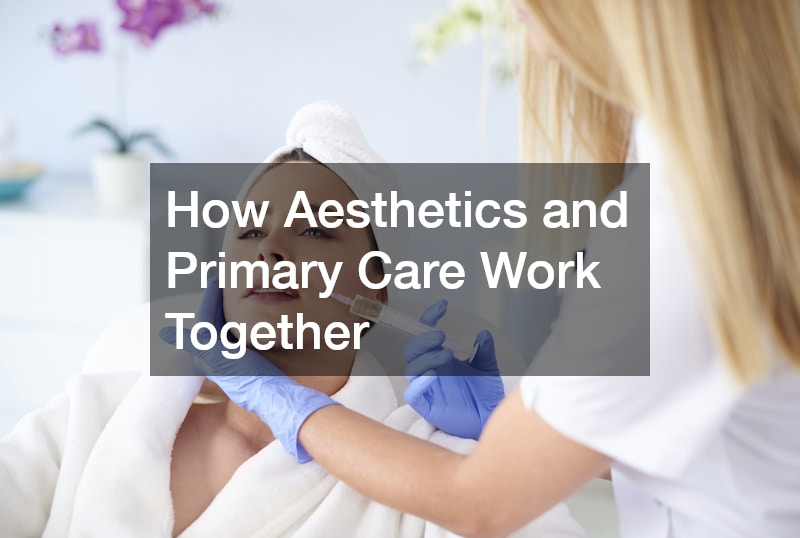
Not long ago, medical care and cosmetic care lived in completely separate worlds. You saw one provider for your annual physical and a completely different professional if you wanted to improve your skin, smile, or overall appearance. Today, that divide is shrinking—and that’s a good thing.
More people are realizing that how they look and how they feel are deeply connected. Skin changes can signal hormone imbalances. Hair thinning might relate to stress or nutritional deficiencies. Chronic inflammation can show up on your face before it shows up in lab work. At the same time, feeling confident in your appearance can improve motivation, social engagement, and overall mental well-being.
When health providers communicate and patients take a coordinated approach, the results are safer, more sustainable, and more satisfying. This guide will walk you through how medical care and cosmetic goals can support each other—practically, responsibly, and realistically.
Start With a Whole-Body Health Assessment Before Cosmetic Treatments
Before booking any cosmetic procedure, start where long-term wellness begins: primary care.
Your primary care provider sees the bigger picture. They understand your medical history, current medications, allergies, chronic conditions, and risk factors. A physician reviewing your overall health can identify concerns that might complicate a procedure—or explain why certain cosmetic concerns are happening in the first place.
For example:
- Persistent redness could be rosacea aggravated by medication.
- Slow wound healing might be related to uncontrolled blood sugar.
- Bruising easily could signal a clotting issue or supplement interaction.
These aren’t things a cosmetic consultation alone may uncover.
Here’s how to approach this step strategically:
- Schedule an annual wellness visit before pursuing new treatments.
- Bring a full list of prescriptions, over-the-counter medications, and supplements.
- Discuss any recent symptoms—even if they seem unrelated to appearance.
- Ask whether lab work is appropriate before elective procedures.
A physician can also provide medical clearance for certain treatments, particularly if you have heart conditions, autoimmune disease, diabetes, or a history of surgical complications.
Think of this step as building the foundation of a house. Cosmetic improvements rest more securely when the underlying health is stable.
Align Your Skin Goals With Long-Term Skin Health
It’s easy to chase quick fixes. A new serum promises glow. A trending treatment promises instant tightening. But skin responds best to strategy, not impulse.
This is where thoughtful aesthetics comes in. Rather than treating each concern in isolation, the goal should be to understand what your skin needs over time. An experienced esthetician can assess hydration levels, barrier strength, sun damage, and sensitivity patterns before recommending treatments.
Imagine someone dealing with acne flare-ups. Instead of jumping straight to aggressive resurfacing, a skilled esthetician might first repair the skin barrier, adjust home care, and evaluate lifestyle triggers. That slower approach often produces more stable results.
To create alignment between short-term goals and long-term skin health:
- Request a full skin analysis before beginning treatment.
- Ask how each recommended procedure supports collagen health and barrier function.
- Track how your skin reacts over weeks—not just hours.
- Avoid stacking multiple new treatments at once.
Skin is an organ. When cosmetic decisions respect that fact, improvements last longer, and complications decrease.
Know When Medical Expertise Should Guide Cosmetic Decisions

Not every cosmetic goal should be approached from a purely noninvasive standpoint. Sometimes the safer—or more effective—route requires medical evaluation.
For example, someone considering plastic surgery for excess eyelid skin may actually have a visual field obstruction that requires a medically guided procedure. A physician can determine whether the issue is functional, cosmetic, or both.
There are also situations where surgical consultation is simply more appropriate. Significant structural changes, deep scarring, or long-standing anatomical concerns often fall outside the scope of minimally invasive options.
Before moving forward:
- Verify board certification for surgical procedures.
- Discuss medical history thoroughly, including past anesthesia experiences.
- Ask about realistic recovery timelines and risks.
- Involve your primary doctor in clearance if you have chronic conditions.
Cosmetic improvement should never come at the expense of safety. When medical expertise leads the decision-making process, outcomes are more predictable, and complications are minimized.
Support Circulation and Recovery With Smart Wellness Habits
Many cosmetic concerns trace back to circulation, inflammation, and tissue health. Varicose veins, puffiness, and slow recovery often reflect what’s happening beneath the surface.
Some individuals exploring laser vein treatment, for instance, benefit from supportive strategies beforehand. Hydration, daily movement, and proper compression can improve circulation and healing outcomes.
Massage therapy can also play a role—when used strategically. Gentle techniques may support lymphatic drainage and relaxation before certain treatments, but timing matters. Deep tissue work immediately after a vascular procedure, for example, could interfere with healing.
To support recovery safely:
- Maintain consistent hydration before and after procedures.
- Incorporate low-impact movement like walking.
- Follow compression recommendations exactly as directed.
- Confirm appropriate timing between therapeutic bodywork and medical treatments.
Think of cosmetic procedures as events within a larger wellness timeline. The body responds best when preparation and recovery are treated as seriously as the procedure itself.
Coordinate Oral Health and Smile Enhancements Safely
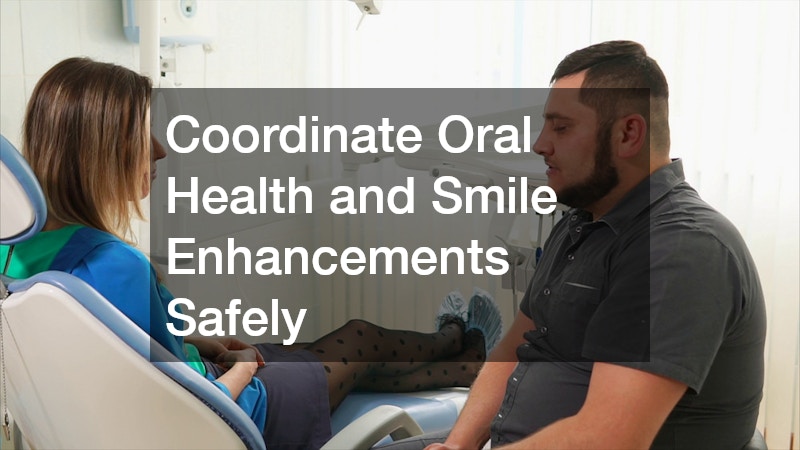
A brighter smile and straighter teeth can dramatically improve confidence—but dental health must come first.
Clear aligners, for example, are designed to gradually reposition teeth. However, untreated gum disease or cavities can worsen during orthodontic movement. That’s why a comprehensive dental exam is essential before beginning treatment.
Similarly, teeth whitening services may not be appropriate if the enamel is thin or if sensitivity is already severe. Whitening over active decay can cause discomfort and complications.
A thoughtful sequence might look like this:
- Complete a full dental cleaning and exam.
- Address cavities or gum inflammation.
- Begin aligner therapy if recommended.
- Consider whitening once alignment is stable and oral health is optimized.
Oral health also connects to systemic health. Inflammation in the gums has been linked to heart and metabolic conditions. When cosmetic smile improvements follow medical evaluation, both appearance and health benefit.
Use Relaxation Services Strategically Within a Care Plan
Relaxation and maintenance treatments absolutely have a place in overall wellness. A visit to a day spa can reduce stress hormones, improve mood, and encourage self-care habits.
But it’s important not to confuse relaxation services with medical treatment. An esthetician in a spa setting may provide excellent maintenance facials, but they should also know when to refer you for medical evaluation.
For example, a client seeking repeated treatments for persistent redness might need a dermatologic assessment rather than another calming mask. Open communication protects everyone.
If you enjoy spa services, keep these guidelines in mind:
- Inform providers about recent medical treatments or injections.
- Avoid exfoliating treatments too soon after invasive procedures.
- Choose licensed professionals with strong sanitation protocols.
- Be transparent about medications that affect skin sensitivity.
Relaxation can enhance wellness. It works best when integrated—not isolated—from the broader health picture.
Build a Realistic Timeline for Major Cosmetic Goals

One of the most common mistakes in cosmetic planning is rushing.
Stacking procedures too closely—especially when plastic surgery or laser vein treatment is involved—can increase inflammation, delay healing, and raise the risk of complications.
Healing is a biological process, not a scheduling inconvenience.
If you are pursuing multiple goals, consider mapping out a phased approach:
- Phase 1: Stabilize health and complete baseline screenings.
- Phase 2: Address structural or surgical priorities.
- Phase 3: Allow full recovery before additional interventions.
- Phase 4: Add maintenance or refinement treatments.
Spacing treatments appropriately may feel slower, but it often produces better aesthetic outcomes and reduces emotional stress during recovery.
A thoughtful timeline respects both biology and psychology.
Investigate Underlying Causes Before Escalating Treatments
Sometimes, appearance changes are signals rather than surface problems.
Hormonal shifts can trigger acne, dryness, or pigmentation changes. Nutritional deficiencies may cause brittle hair or dull skin. Chronic stress can accelerate visible aging.
Primary care plays a crucial role here. Instead of immediately intensifying aesthetics treatment, it may be wiser to request lab work or a hormonal evaluation.
Addressing underlying causes often produces dramatic improvement without aggressive intervention.
For example, correcting iron deficiency may reduce hair shedding. Managing thyroid imbalance can improve skin texture. Stabilizing blood sugar may reduce inflammatory flare-ups.
Before escalating treatments:
- Review recent lab results.
- Discuss new symptoms with your primary doctor.
- Evaluate sleep, nutrition, and stress patterns.
- Reassess cosmetic goals after health stabilization.
When internal balance improves, external appearance frequently follows.
Coordinate Providers to Reduce Overlap and Risk

Modern wellness often involves multiple professionals: a spa therapist, a medical provider, perhaps a bodywork specialist.
Massage therapy can complement recovery in many cases, and visits to a day spa can support relaxation. But overlapping services without communication can increase risk.
For instance:
- Deep pressure too soon after injections may affect placement.
- Aggressive exfoliation following certain procedures can impair healing.
- Undisclosed medications may increase bruising during bodywork.
To minimize risk, keep a simple treatment log. Record dates, procedures, and any reactions. Share this information openly with each provider.
Clear communication turns a collection of services into a coordinated plan.
Address the Emotional Side of Cosmetic Decisions
Cosmetic goals are rarely just physical. They often reflect deeper desires—confidence after a life transition, restoration after illness, or alignment between inner identity and outer appearance.
Aesthetics can be empowering when pursued thoughtfully. Plastic surgery can be transformative when expectations are realistic.
But emotional readiness matters.
Before making major changes, ask yourself:
- Am I seeking improvement or perfection?
- Am I making this decision during a period of intense stress?
- Have I discussed my expectations honestly with my provider?
Mental wellness screening is not about gatekeeping—it’s about protecting you from regret and unrealistic outcomes.
When emotional health and cosmetic planning move in tandem, satisfaction rates increase dramatically.
Create a Long-Term Collaborative Care Plan

Health and appearance evolve over time. What you want at 30 may differ from what matters at 45.
A physician can help track health milestones, while treatments like clear aligners may unfold over months or years. Coordinating timelines prevents conflict between medical needs and cosmetic scheduling.
A collaborative care plan might include:
- Annual health evaluations.
- Periodic reassessment of aesthetic goals.
- Adjustments based on life events, pregnancy, weight changes, or medical diagnoses.
- Documentation of outcomes and progress photos.
The key is flexibility. Cosmetic care should adapt as your health, priorities, and lifestyle shift.
Long-term planning prevents reactive decision-making and encourages steady, sustainable progress.
Recognize When Trends Do Not Fit Your Personal Health Profile
Cosmetic trends move quickly. One month it’s a viral skin treatment, the next it’s a new contouring device or smile-enhancing shortcut. Social media can make procedures seem universal, easy, and risk-free. In reality, no treatment is one-size-fits-all.
Your medical history, skin type, healing response, and even stress levels influence outcomes. What works beautifully for one person may produce irritation, prolonged swelling, or disappointing results for another.
This is where coordination between providers becomes especially important. A physician may recognize contraindications that aren’t obvious in a trend-driven consultation. An experienced professional in aesthetics can evaluate whether your skin barrier is strong enough for a popular resurfacing treatment. Dental providers can determine whether whitening or alignment trends suit your enamel strength and bite structure.
Before committing to a trending procedure, pause and ask:
- Has my overall health changed since my last evaluation?
- Do I have conditions that affect healing or inflammation?
- Is this treatment aligned with my long-term goals, or am I reacting to a short-term influence?
It’s also wise to build in a ”cooling off” period for major decisions. Give yourself a few weeks between consultation and commitment. During that time, review risks carefully, ask follow-up questions, and confirm that your broader health plan supports the procedure.
Trends can introduce innovative options, but innovation should always be filtered through personalization. The safest cosmetic decisions are not the fastest ones—they’re the ones thoughtfully adapted to your unique health profile and long-term vision.
Bringing Health and Appearance Into Alignment

Looking your best and feeling your best are not competing goals. They are connected.
When preventive care guides cosmetic decisions, when providers communicate openly, and when patients approach improvements with patience and realism, outcomes improve across the board.
Health stabilizes recovery. Emotional clarity improves satisfaction. Strategic planning reduces risk.
A coordinated approach doesn’t just change how you look—it changes how confidently and safely you move through the process.
True confidence grows strongest when it’s supported by whole-body wellness.